


Winter, a Healing Perspective.
- Adriana Rocha

- Jan 6
- 5 min read
by Adriana Rocha

It is well known that being exposed to nature has numerous benefits for our well-being and mental health. This is an area well explored in the summer, a season when we have multiple activities and a vivid green landscape.
I love the majestic transition from fall to winter, when those brown branches become naked and welcome the first snowfall. Winter is a season I enjoy, I get more creative and serene. It's perfect for my skin and health, cold takes away inflammation and bugs away. There is always a good excuse to go outdoors and benefit from those cold winds searching for perfect angles and perfect moments to phot
ograph and enjoy. Moreover, having a good cup of hot drink, either green tea or hot chocolate is all I need, it's a season for visiting more coffee shops, zipping warm while sharing ideas and experiences with friends and strangers.
What Happens During the Winter Season?
The cold and dark of winter can be used to enjoy warm, comforting things in life, be involved with loved ones, and have cozy nights in peaceful moments. While some others feel amazing and explore activities when the cold is present and the sun is absent, the holidays and a stop from work tasks make it attractive, it is important to notice that some adults experience seasonal affective disorder.
What is Seasonal Affective Disorder?
If sadness extends beyond a couple of weeks without explanation and happens annually, we might be experiencing Seasonal Affective Disorder. This type of depression typically strikes during the fall and winter, but it can also affect people during spring and summer. This disorder is present when there is no motivation, we are unable to concentrate on simple tasks, a change in appetite or sleep pattern. Some of the causes are reduced sunlight, circadian rhythm disruptions and hormonal imbalances.
When this happens, as relatives, caregivers, tutors, friends or neighbors, we might help these individuals by introducing them to activities that happen during the winter, decreasing the unpleasant ideas of winter and transferring the knowledge and accompanying experiences of the season that comes with holidays, moments and special transitions that happen during the year.
How Can We Benefit from Winter?
Winter comes as a healing perspective. It improves the cognitive function, increase calorie burn, enhance immune function, improves sleep quality, it has many psychological benefits:
1. Reduce Stress and Anxiety.
Winter can be a time for renewal and introspection, offering a chance to reassess priorities and build emotional resilience. Winter landscapes can provide a quiet gateway from the noisy routine. The sound of falling snow, the gentle rustling of leaves and the soft glow of sunlight have a calming effect on the mind and body.
2. Improve mental health.
Shorter days and darker mornings can reduce exposure to natural light, which is crucial for serotonin production and mood regulation. This can lead to a more stable mood and energy levels. Spending time in nature, a person can boost their mood, increase their feelings of happiness, and reduce symptoms of depression. This fresh cold air and natural light exposure during winter can help regulate sleep patterns and improve overall mental well-being.
3. Enhance physical activity.
Winter sports encompass a variety of competitive and recreational activities played on snow or ice, including skiing, snowboarding, ice hockey, and figure skating. These winter activities not only improve cardiovascular health, but also make our muscles work, and therefore our immune system is boosted. Exercising in nature actually increases the levels of dopamine, serotonin, and natural endorphins that are released through the body.
4. Increase creativity and focus.
Spending time in nature has been linked to creativity and cognitive function. The winter environment is serene, and this stimulates the imagination and promotes a sense of wonder, which activates the imagination and problem-solving. The winter environment offers a sensory-rich experience, such as the feeling of crisp, cold air and the crunch of snow under boots, which can impact our sensory processing abilities
Activities to Help Embrace Nature in the Winter


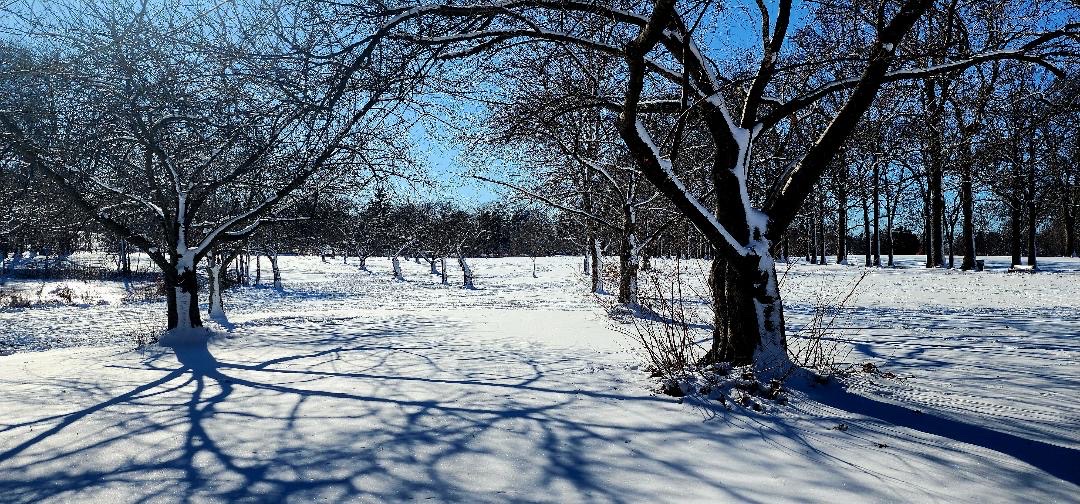

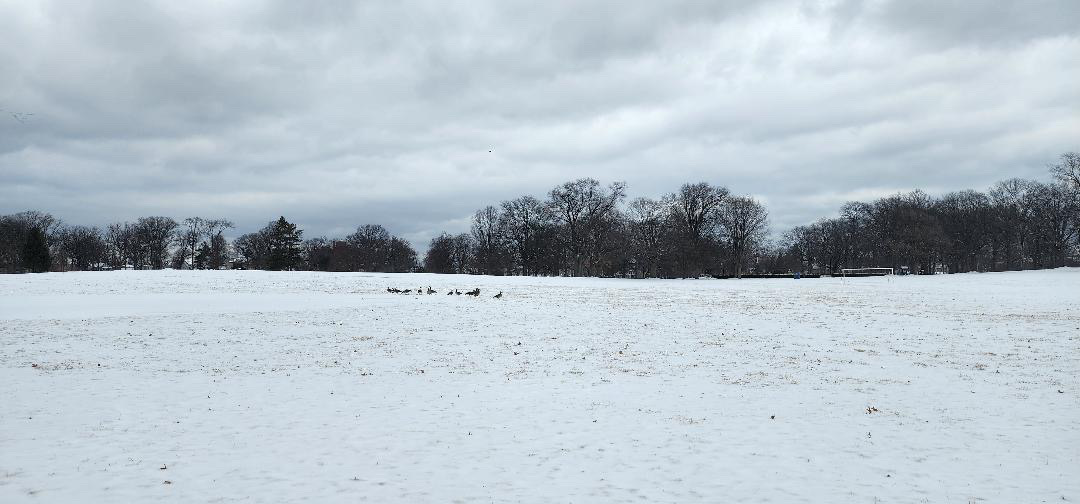
Taking a walk in the woods, even a short walk in a park or forest, has a big impact on our mental and physical health. Morning walks can improve sleep quality, especially when exposed to morning sunlight. These benefits highlight the importance of winter walking as a healthy and productive activity. Whether you're a seasoned walker or a beginner, taking a winter walk can be a rewarding experience that contributes to your overall health and well-being.
Taking pictures of the beautiful landscapes is also another way to enjoy and be part of the moment. Winter photography often involves spending time in nature, which has been shown to reduce stress and enhance mood. Taking winter photography can be a powerful tool for mental health, offering a unique way to connect with oneself and the world around while experiencing the beauty of winter.
Forest, bathing. Winter forest bathing can be a transformative experience, allowing us to appreciate the beauty and tranquility of nature even in the coldest months. Embracing the season and enjoying the unique offerings of winter landscapes. This practice involves immersing ourselves in a forest environment, using our senses to connect with nature. Slowing down our breath, taking in the sight, sounds and smells of the forest.
Winter sports like ice skating and snowboarding demand exceptional balance and coordination. Over time, these sports strengthen your core muscles, improve posture, and reduce the risk of falls or injuries in everyday life. Even a brisk snowball fight or building a snowman can torch calories while keeping your spirits high. The cold weather also triggers thermogenesis, where your body burns extra energy to maintain warmth, giving you an additional metabolic boost.

Winter outdoors, immersing us in serene, snowy landscapes. Studies have shown that spending time in nature reduces cortisol levels and promotes mindfulness. Whether it’s the crunch of fresh snow beneath your boots or the breathtaking view from a mountaintop, winter activities provide a mental escape like no other. Colder temperatures help us think more clearly. We are able to perform more cognitive tasks, making decisions and staying calm. We become less impulsive and serene because the brain requires less glucose to function. Snow and cold weather are another reason to go out. Remember to dress warmly, with appropriate footwear, check weather conditions before heading outdoors, with the appropriate planning, we can enjoy the multiple benefits of winter nature.
Winter offers restoration for some, it also becomes challenging to those experiencing Seasonal Affective Disorder. Noticing this and having gentler forms of connection and support makes an enormous difference. Winter is a season to seek warmth, company and give our bodies a cold bath that boosts our immune system, keeps our cognition sharp and our mind calm. Shared walks or creative moments outdoors with friends, family members, and neighbors adds more sparkles to the winter wonder season. Winter is a season that invites us to move through it together, with patience, empathy, and respect for each person’s capacity. Winter is a healing season that activates our need for company, compassion, togetherness and both emotional and biological warmth.
About the Author

Adriana Rocha is a Bolivian-born psychologist, writer, and photographer whose work has been published in English, Spanish, and Portuguese. She believes in the healing power of art, blending poetry, photography, and psychology to explore themes of nature, reflection, and human connection. Adriana is a member of the Confluence Creative Collective and a contributing writer for the Confluence Chronicles.
References:
Mental Health: Surviving the seasonal slump. Great River Health, 2024.
Bruzzichesi, A. (2024). The healing power of nature: A winter perspective. Horticultural Science NC State Extension, NC State University


Comments